
Alimentació durant l’esforç
Alimentació durant l'esforç amb calor
Estratègia d'hidrats de carboni quan el termòmetre trenca el teu pla — per què la calor canvia l'aportació de combustible i com mantenir la boca i l'intestí al teu favor.
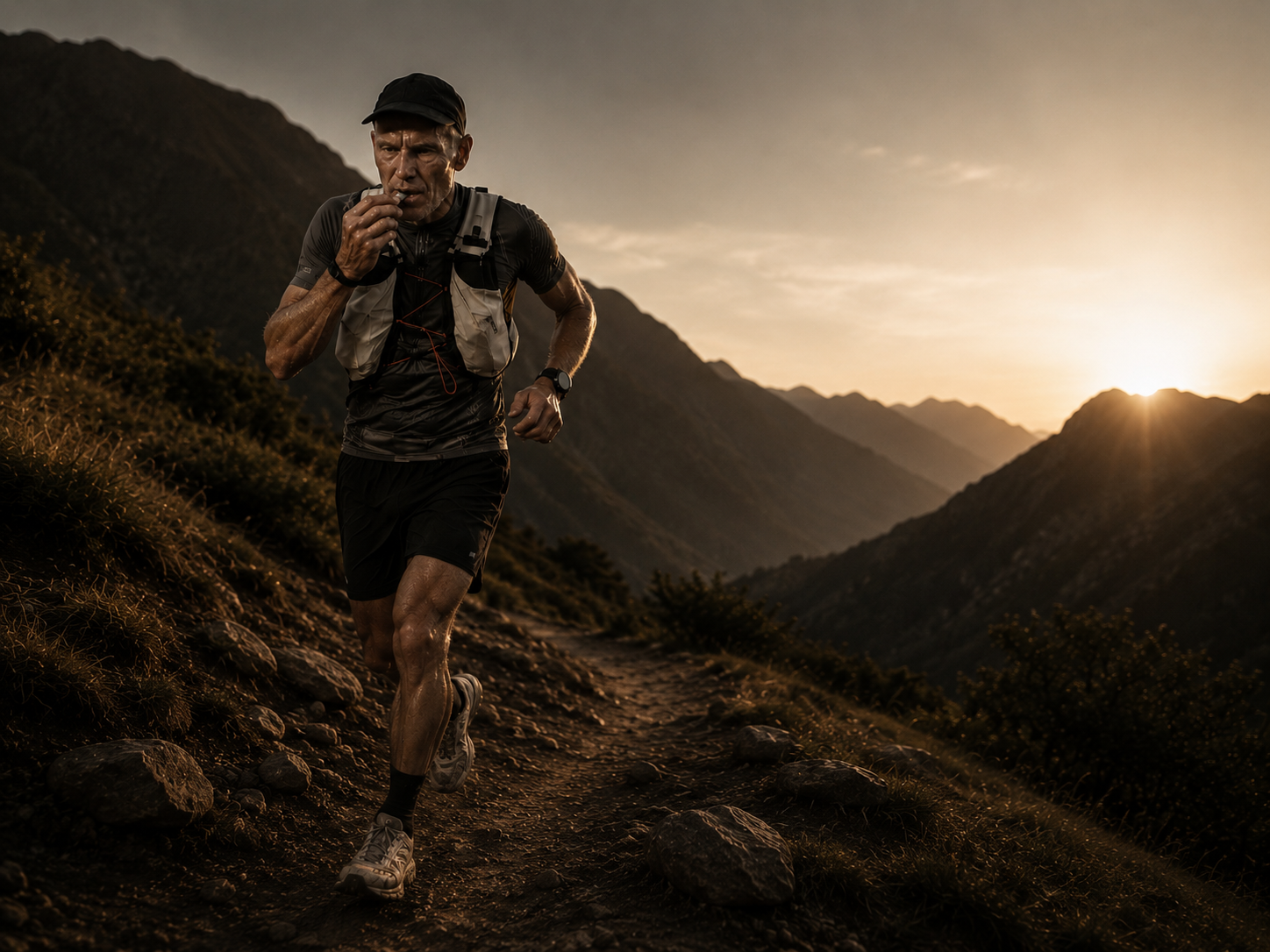
Un pla de carbohidrats que funciona perfectament en un dia d'entrenament fresc pot tornar-se sorprenentment difícil amb calor.
L'objectiu potser no ha canviat. El teu cos continua necessitant energia. Però les condicions més càlides poden alterar el ritme, la taxa de suor, la set, la comoditat digestiva, la preferència de producte i les ganes de menjar.
De cop, el gel que normalment toleres sembla massa dolç. Una beguda concentrada et cau pesada. La boca es torna seca i enganxosa. Comences a beure més aigua — però a menjar menys combustible.
El repte central és senzill:
La calor no elimina la necessitat de carbohidrats. Pot fer que aportar-los sigui més difícil.
01
La calor canvia tot l'entorn de l'alimentació
Durant l'exercici amb calor, el cos ha d'enviar sang tant als músculs actius com a la pell, on la calor es pot dissipar. La deshidratació pot intensificar aquesta sobrecàrrega cardiovascular.
Alhora, una intensitat d'exercici elevada, l'estrès per calor i la reducció del flux sanguini al sistema gastrointestinal poden contribuir a nàusees, inflor, rampes i altres símptomes digestius — especialment en l'exercici de resistència prolongat.2
La calor també pot alterar el metabolisme dels carbohidrats, tot i que l'efecte no és idèntic en totes les situacions. Depèn de la intensitat de l'exercici, de si la càrrega de treball o la freqüència cardíaca es mantenen equiparades, de la hidratació, l'aclimatació i el nivell d'entrenament de l'atleta.1
02
El teu objectiu de carbohidrats no ha desaparegut
Les recomanacions generals de resistència continuen sent un bon punt de partida:
- Al voltant de 30–60 g de carbohidrats per hora per a l'exercici prolongat.
- Fins a aproximadament 90 g per hora per a proves de més de 2,5–3 hores, utilitzant diversos carbohidrats transportables com la glucosa i la fructosa.
Aquests són rangs orientatius, no xifres obligatòries. L'objectiu adequat depèn de la durada, la intensitat, la mida corporal, l'experiència, l'elecció de producte i la tolerància digestiva.4
Amb calor, l'objectiu normalment no és abandonar la ingesta de carbohidrats al primer indici de molèstia. L'estratègia més encertada és facilitar-ne l'aportació.
30–60 g
carbohidrats / hora de base
~90 g
carbohidrats / hora per a 2,5 h+
−20%
oxidació amb calor
03
Separa el combustible del líquid
Un dels ajustos més útils amb calor és evitar que un sol producte hagi de fer totes les feines.
Una beguda de carbohidrats molt concentrada pot aportar un combustible important, però lliga la ingesta de carbohidrats a la set i a la ingesta de líquids. Amb calor, això crea dos problemes:
- Beure més perquè tens set pot aportar més carbohidrats dels que el teu intestí tolera.
- Beure menys perquè el sabor esdevé desagradable pot reduir tant la ingesta de líquids com la de carbohidrats.
Utilitza aigua i electròlits per gestionar la hidratació; utilitza gels, mastegables, barreges per a beguda o menjar per assolir l'objectiu de carbohidrats.
Això no vol dir que les begudes de carbohidrats no siguin adequades. Vol dir saber quants carbohidrats i líquids aporta cada dosi, per poder ajustar-ne una sense perdre el control de l'altra sense voler.
04
Dosis més petites i més freqüents
Una dosi gran de carbohidrats pot semblar manejable en temps fresc i aclaparadora amb calor. Dosis més petites i més freqüents solen ser més fàcils de tolerar.
Un atleta que busqui 60 g per hora podria repartir-los en:
- 20 g cada 20 minuts, o
- 15 g cada 15 minuts.
El total per hora és similar; cada dosi individual és més petita. Això no és una regla universal — el patró correcte és el que has assajat amb èxit en entrenaments amb calor.
05
Tria els productes per tolerància, no només per xifres
En condicions càlides, els atletes solen tornar-se més sensibles a:
- l'excés de dolçor;
- les textures espesses;
- els sabors intensos;
- els aliments secs;
- els bocins grans;
- les begudes molt concentrades.
Un producte teòricament perfecte no serveix de res si l'atleta deixa de prendre'l al cap de tres hores. Introdueix varietat en el pla: sabors de gel variats, carbohidrats en forma de beguda, mastegables, sòlids més tous, opcions neutres o salades, i aigua sola entre dosis dolces.
Les combinacions de glucosa i fructosa poden permetre un aport més alt de carbohidrats que la glucosa sola — però el producte encara ha de ser tolerat i practicat.1
06
Entrena l'intestí amb calor
No donis per fet que un assaig d'alimentació en temps fresc demostra la tolerància amb calor. S'ha demostrat que la pràctica repetida de carbohidrats durant la cursa redueix els símptomes gastrointestinals i la malabsorció de carbohidrats; aproximadament dues setmanes d'entrenament digestiu van millorar els símptomes i el rendiment en cursa en comparació amb un entrenament placebo.67
L'objectiu és una familiaritat progressiva:
- Estableix una ingesta tolerable en condicions normals.
- Practica el mateix pla amb calor moderada.
- Prova els productes de cursa a l'esforç de cursa.
- Ajusta la mida de la dosi, la textura i el sabor.
- Assaja combustible, aigua i electròlits junts.
07
No persegueixis la xifra a qualsevol preu
Un objectiu de carbohidrats és una eina, no un càstig.
Amb calor severa, el ritme sol baixar. Forçar una ingesta màxima de carbohidrats malgrat unes nàusees que empitjoren pot no ser productiu.
08
El problema oblidat: la boca
La calor no posa a prova només l'intestí. La pèrdua de suor, la deshidratació, la respiració bucal intensa i l'estrès poden reduir el flux de saliva — la saliva restant es concentra més, creant la típica boca seca i enganxosa dels esforços llargs amb calor.8
Alhora, l'atleta pot estar consumint:
- gels dolços;
- begudes esportives àcides;
- mastegables concentrats;
- dosis freqüents de carbohidrats;
- més líquid del habitual.
La boca queda coberta i saturada de dolçor. Empassar un altre gel resulta cada cop més desagradable, encara que l'atleta continuï necessitant l'energia. Aquí és on el confort bucal passa a formar part de l'estratègia de carbohidrats.
09
On pot ajudar UNBTN
UNBTN Oral Performance no és un producte de carbohidrats i no substitueix l'aigua, el sodi ni el refredament. El seu paper és més concret:
Estimular la saliva natural i afavorir el confort bucal entre les dosis d'alimentació.
Utilitza UNBTN quan la boca comenci a estar seca, enganxosa, coberta després de gels repetits, saturada de dolçor, o incòmoda durant una respiració bucal prolongada.
Pren el combustible previst → beu segons calgui → utilitza UNBTN entre dosis de combustible → continua el pla nutricional.
UNBTN utilitza HAp⁺ equilibrat amb calci, desenvolupat per estimular la saliva mentre es manté no erosiu en les seves condicions de prova validades. No conté sucre, de manera que no afegeix un altre dolç convencional entre les dosis de carbohidrats.
No s'ha d'afirmar que UNBTN previngui el cop de calor, hidrati el cos, millori l'absorció de carbohidrats, previngui les molèsties digestives, neutralitzi tots els gels àcids, o garanteixi que un atleta pugui continuar menjant. El seu valor és pràctic:
10
Un marc pràctic per a la calor
Abans
- Comença ben proveït d'energia; evita sortir amb un dèficit de líquids innecessari.
- Prepara un objectiu principal de carbohidrats i un objectiu alternatiu més baix.
- Calcula els líquids i els electròlits per separat.
- Porta més d'un sabor o textura, i un pla clar de refredament.
Durant
- Ingesta constant des del principi; dosis petites i familiars.
- Aigua segons la set, el pla i les condicions; electròlits segons les pèrdues per suor.
- Refreda't sempre que puguis. Respon de seguida a qualsevol molèstia bucal o digestiva.
Quan baixa la tolerància
- Alenteix la següent dosi o pren una quantitat més petita.
- Segueix el combustible concentrat amb aigua; canvia de sabor o textura.
- Redueix la dolçor innecessària; refreda el cos.
- Utilitza UNBTN entre dosis de combustible per al confort bucal.
11
El principi final
L'alimentació amb calor no és simplement el pla de temps fresc amb més aigua afegida. La calor canvia el ritme, la circulació, la set, la tolerància digestiva, l'ús de carbohidrats i el confort bucal.
L'objectiu de carbohidrats continua sent important. Però amb calor, l'execució importa més que la xifra escrita al pla.
Alimenta't d'hora. Separa el líquid del combustible quan sigui útil. Utilitza dosis petites i familiars. Entrena l'intestí. Protegeix el confort bucal. Adapta't abans que el pla es trenqui.
Reinicia la boca. Continua alimentant-te. Continua movent-te.
Referències
- 1.Salame A, et al. Carbohydrate supplementation for endurance exercise in the heat: a systematic review with practical recommendations. 2026. PubMed
- 2.McCubbin AJ, et al. The effect of heat stress and dehydration on carbohydrate use during endurance exercise: a systematic review and meta-analysis. 2025. PubMed
- 3.Sessions J, et al. Carbohydrate gel ingestion during running in the heat. 2016. PubMed
- 4.Jeukendrup AE. A step towards personalised sports nutrition: carbohydrate intake during exercise. 2014. PubMed
- 5.Thomas DT, Erdman KA, Burke LM. Nutrition and Athletic Performance. Medicine & Science in Sports & Exercise. 2016. PubMed
- 6.Miall A, et al. Two weeks of repetitive gut-challenge reduce exercise-associated gastrointestinal symptoms and malabsorption. 2018. PubMed
- 7.Costa RJS, et al. Gut-training: the impact of two weeks' repetitive gut challenge during exercise. 2017. PubMed
- 8.Walsh NP, et al. Saliva parameters as potential indices of hydration status during acute dehydration. 2004. PubMed